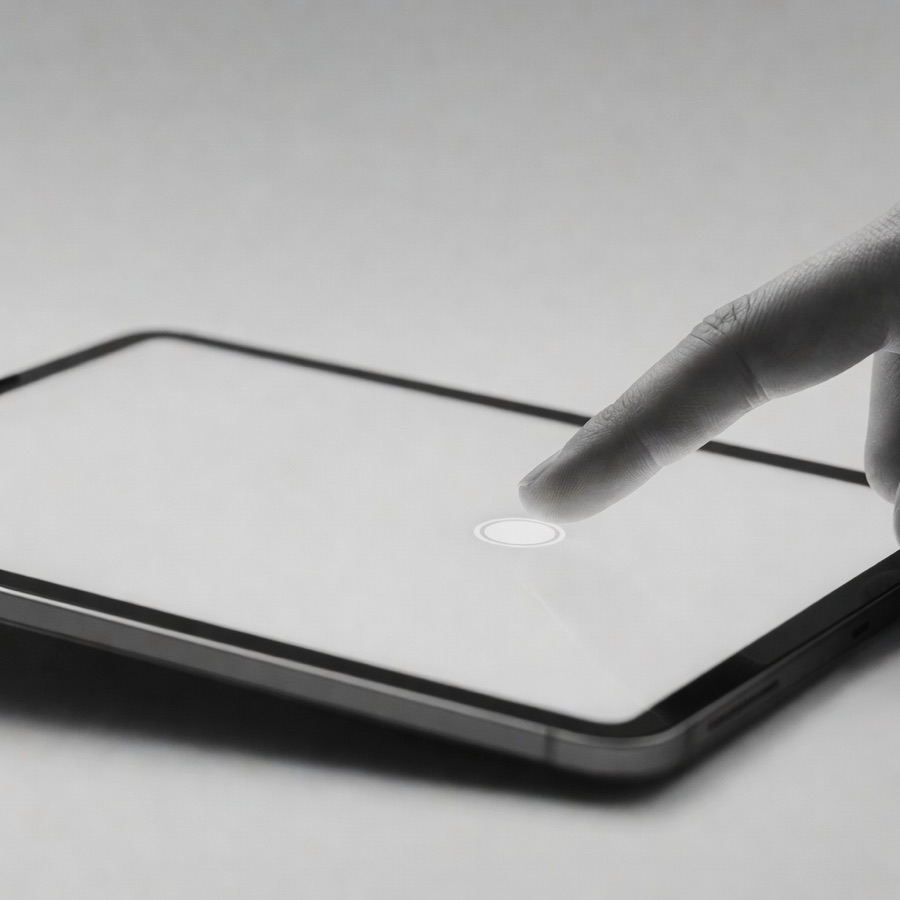
The co-processor that tells the brain where.
Intent turns a short instruction plus a screen into a target embedding the control weights can act on. It is the bridge between language and motion, and it ships as a co-processor for Cursor and Keys.
A small vision-language model reads the instruction and the screen and emits a target embedding. The embedding is injected into the afferent population through the target adapter, and the brain takes it from there.
Finds the button 94% of the time.
On ScreenSpot, Intent grounds the named element in 94% of desktop screenshots with a 380 MB co-processor, and hands the target to Cursor in one step.
target Figures marked "target" are design targets for the first release, not measurements.
Same brain, its own wiring.
Input adapters occupy afferent regions, output adapters read efferent ones. Co-processors feed in through the embedding port.
- FlyCore v0.1.0
- weights v0.1.0-beta
- instruction
- screen
- target embedding
- vision-language model
import flycore

brain = flycore.load("flylabs/intent")      # engine + weights + adapters
cursor = flycore.load("flylabs/cursor", coprocessors=[brain])
cursor.do("click Save")
# target grounded by Intent, motion by CursorFrom "click Save" to a target.
Natural-language UI automation
"Export as PDF" becomes a sequence of Cursor and Keys actions.
- Beta: English instructions.
- Requires Cursor or Keys to act; Intent alone only produces targets.