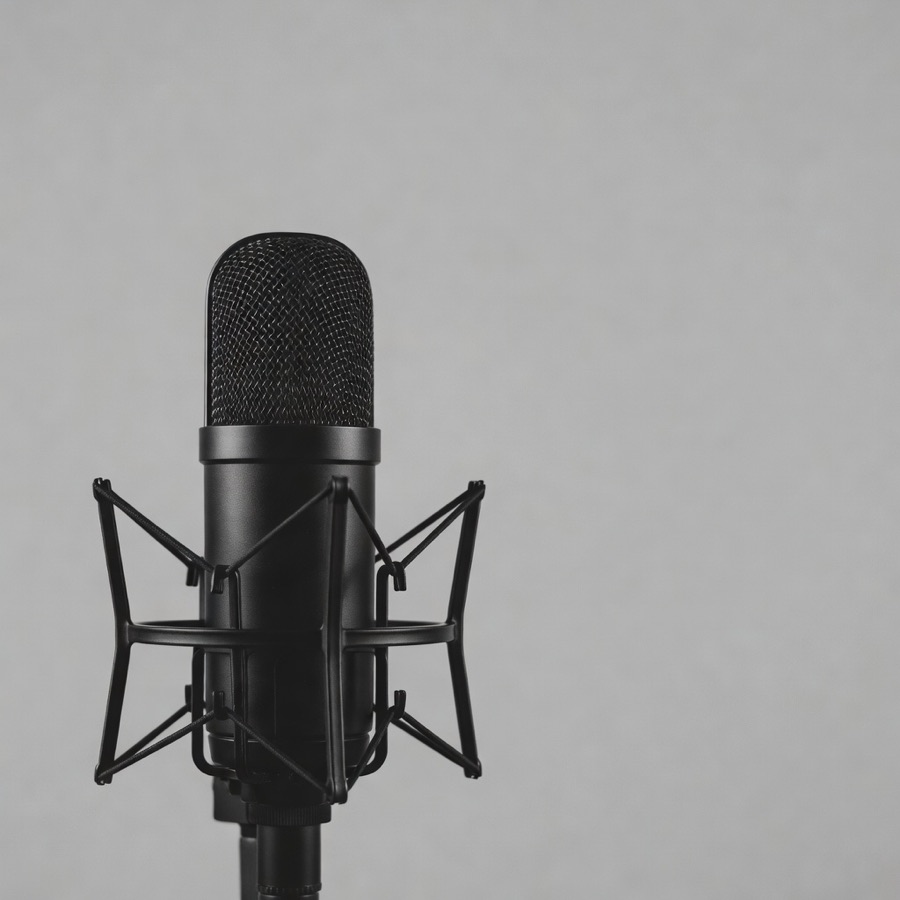
Antennae for your microphone.
Sono detects sound events in a live stream: a door, a bark, a fall, a name. Audio enters through the auditory afferents of the connectome; the answer is an event with a timestamp.
The fly hears with its antennae, tuned to courtship song. Sono keeps the pathway and retrains it on a general event vocabulary, streaming, with 40 ms latency.
40 ms from sound to event.
Sono labels 50 event classes at 40 ms latency with 0.84 F1 on ESC-50, on a phone, with the audio never leaving the device.
target Figures marked "target" are design targets for the first release, not measurements.
Same brain, its own wiring.
Input adapters occupy afferent regions, output adapters read efferent ones. Co-processors feed in through the embedding port.
- FlyCore v0.1.0
- weights v0.1.0-beta
- audio (antennae)
- events (class, t, score)
- none
import flycore

brain = flycore.load("flylabs/sono")      # engine + weights + adapters
for event in brain.stream(flycore.io.Microphone()):
    print(event.cls, event.t)
# "glass_break" 12.41Hear the glass break, not the traffic.
Home and care monitoring
Falls, alarms and calls for help, detected locally.
Wake words without a cloud
A name or a phrase as the trigger for a device that is otherwise asleep.
- Beta: English wake words only.
- Not a speech recogniser; pair with Dictate for words.